
KAWAL TIGER RESERVE
Exploring Telangana’s Premier Wildlife Sanctuary
Introduction
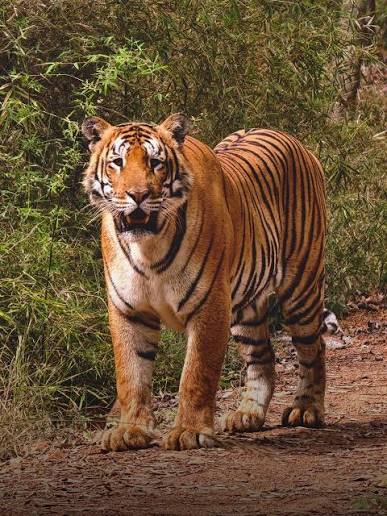
Kawal Tiger Reserve is one of Telangana’s most important wildlife destinations, located in the Mancherial district of northern Telangana. Famous for its dense forests, rich biodiversity, and tiger conservation efforts, the reserve serves as a vital habitat for numerous wildlife species, including the majestic Bengal tiger.
Declared a tiger reserve under India’s prestigious Project Tiger initiative in 2012, Kawal Tiger Reserve attracts nature lovers, wildlife photographers, birdwatchers, and adventure enthusiasts from across the country. Spread across approximately 893 square kilometers, the reserve forms an important wildlife corridor connecting central and southern India’s tiger habitats.
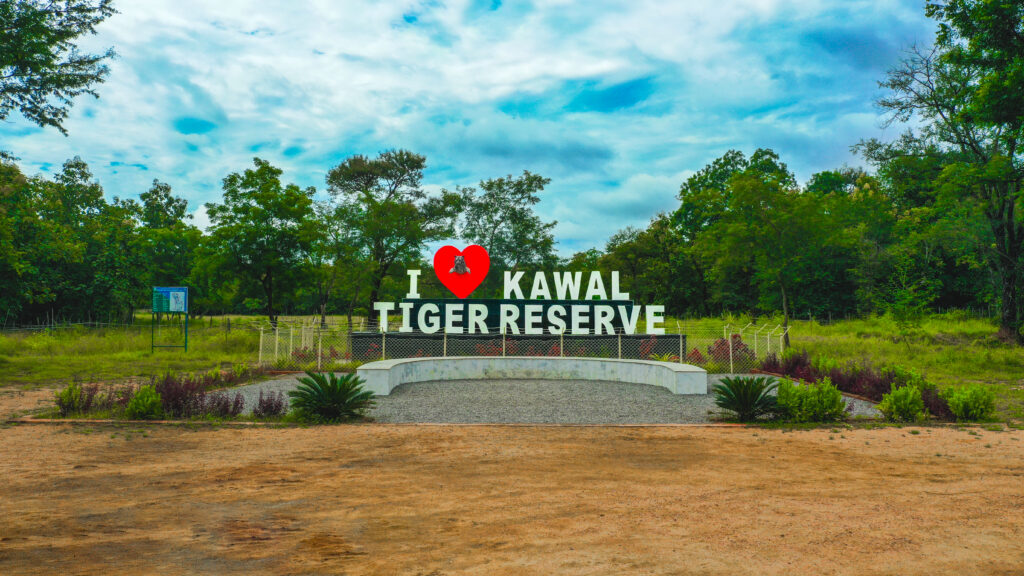
About Kawal Tiger Reserve
Situated near Jannaram in Mancherial district, Kawal Tiger Reserve is one of the largest protected forest areas in Telangana. The reserve is managed by the Telangana Forest Department and plays a crucial role in conserving endangered wildlife.
Quick Facts About Kawal Tiger Reserve
- Location: Jannaram, Mancherial District, Telangana
- Established: 2012
- Area: Approximately 893 square kilometers
- Forest Type: Tropical Dry Deciduous Forest
- Nearest Town: Jannaram
- Distance from Hyderabad: Around 260 kilometers
- Managing Authority: Telangana Forest Department
Geography and Natural Landscape
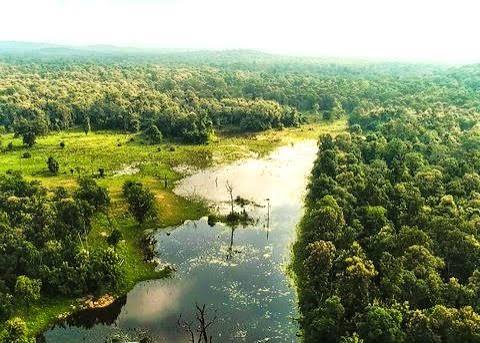
Kawal Tiger Reserve lies within the beautiful Godavari River basin and forms part of the Deccan Plateau ecosystem. The reserve consists of rolling hills, teak forests, bamboo groves, grasslands, and seasonal streams that support a diverse range of flora and fauna.
The Kadam River and several seasonal water bodies provide an ideal habitat for wildlife, making Kawal one of Telangana’s ecological treasures.
Forest Vegetation
The reserve is dominated by:
- Teak forests
- Bamboo thickets
- Mahua trees
- Tendu trees
- Terminalia species
- Native medicinal plants
These forests play a significant role in maintaining ecological balance and preserving biodiversity.
Wildlife in Kawal Tiger Reserve
Kawal Tiger Reserve is home to an incredible variety of wildlife species.
Major Mammals
Visitors may spot:
- Bengal Tiger
- Leopard
- Sloth Bear
- Indian Gaur (Bison)
- Sambar Deer
- Spotted Deer (Chital)
- Nilgai
- Wild Boar
- Indian Wild Dog (Dhole)
- Striped Hyena
- Indian Fox
Bird Species
The reserve is a paradise for birdwatchers and photographers.
Common birds include:
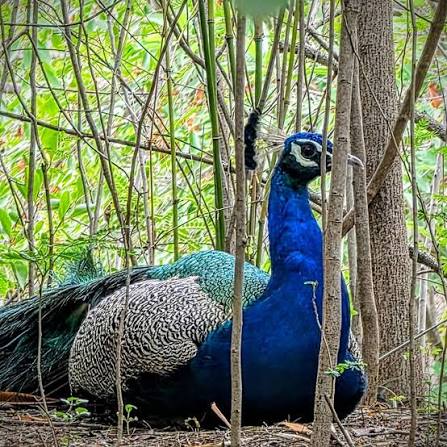
- Indian Peafowl
- Grey Hornbill
- Crested Serpent Eagle
- Kingfishers
- Woodpeckers
- Parakeets
- Drongos
- Owls and Raptors
Reptiles
Several reptile species inhabit the reserve, such as:
- Indian Cobra
- Python
- Monitor Lizard
- Rat Snake
Importance of Tiger Conservation
Kawal Tiger Reserve plays a crucial role in protecting the Bengal tiger population in southern India. It serves as an important wildlife corridor connecting Telangana’s forests with Maharashtra’s famous Tadoba-Andhari Tiger Reserve.
This connectivity helps maintain:
- Genetic diversity
- Healthy breeding populations
- Long-term species survival
- Ecosystem stability
Kawal remains an integral part of India’s Project Tiger conservation program.
Eco-Tourism Activities in Kawal Tiger Reserve
Eco-tourism supports both conservation and local communities. Visitors can participate in several exciting activities.
Jungle Safari
Guided wildlife safaris allow visitors to explore the reserve and observe animals in their natural habitat.
Bird Watching
Kawal’s rich bird population makes it one of Telangana’s top birdwatching destinations.
Nature Trails
Explore designated forest trails accompanied by trained guides.
Wildlife Photography
The reserve’s scenic landscapes and abundant wildlife provide excellent opportunities for photography.
Conservation Awareness Programs
Educational tours help visitors understand the importance of protecting wildlife and forests.
Best Time to Visit Kawal Tiger Reserve
The ideal time to visit Kawal Tiger Reserve is between October and May.
Winter (October – February)
- Pleasant weather
- Best season for birdwatching
- Excellent wildlife photography opportunities
Summer (March – May)
- Higher chances of spotting wildlife near water sources
- Better tiger and leopard sightings
Monsoon (June – September)
- Dense greenery and beautiful landscapes
- Some tourism activities may be restricted
How to Reach Kawal Tiger Reserve
By Road
Kawal Tiger Reserve is well connected by road.
- Hyderabad to Kawal: 260 km
- Nirmal to Kawal: 50 km
- Adilabad to Kawal: 110 km
By Train
Nearest railway stations:
- Mancherial Railway Station
- Nirmal (via nearby railway connectivity)
By Air
Nearest airport:
- Rajiv Gandhi International Airport, Hyderabad
From Hyderabad, visitors can hire taxis or use public transportation to reach Jannaram.
Conservation Challenges
Despite its ecological importance, Kawal Tiger Reserve faces several challenges.
Human-Wildlife Conflict
Communities near forest boundaries occasionally experience crop damage and livestock loss.
Habitat Fragmentation
Urbanization and infrastructure development can affect wildlife movement.
Poaching
Illegal hunting remains a threat to wildlife conservation.
Climate Change
Changing weather patterns may impact forests and water resources.
Conservation Efforts
The Telangana Forest Department is implementing various initiatives to protect Kawal Tiger Reserve:
- Anti-poaching patrols
- Habitat restoration projects
- Wildlife monitoring using technology
- Community participation programs
- Eco-development initiatives
- Wildlife corridor protection
These efforts aim to ensure the long-term survival of tigers and other endangered species.
Why Visit Kawal Tiger Reserve?
Kawal Tiger Reserve offers a memorable wildlife experience for nature lovers and adventure seekers.
Highlights
- Rich tiger habitat
- Diverse wildlife population
- Scenic forest landscapes
- Birdwatching opportunities
- Jungle safaris
- Wildlife photography
- Eco-tourism experiences
Conclusion
Kawal Tiger Reserve stands as a symbol of Telangana’s commitment to wildlife conservation and sustainable tourism. With its dense forests, diverse wildlife, and successful conservation initiatives, the reserve continues to protect some of India’s most precious species.
Whether you are a wildlife enthusiast, photographer, or nature lover, Kawal Tiger Reserve offers an unforgettable journey into Telangana’s wilderness.
- Kawal Tiger Reserve, Kawal Wildlife Sanctuary, Tiger Reserve in Telangana, Wildlife Tourism Telangana, Jannaram Forest, Bengal Tiger Telangana, Eco Tourism Telangana, Kawal National Park, Telangana Wildlife Destinations, Nature Tourism Telangana, Wildlife Sanctuary in Telangana, Best Wildlife Places in Telangana.