
JOGULAMBA TEMPLE
Jogulamba Temple, Alampur: A Sacred Shakti Peetha in Telangana
Introduction
The Jogulamba Temple in Alampur, Telangana, is one of the most revered Hindu temples in South India and an important pilgrimage destination for devotees of Goddess Shakti. Dedicated to Goddess Jogulamba, a fierce manifestation of the Divine Mother, the temple is traditionally regarded as one of the 18 Maha Shakti Peethas.
Located in Jogulamba Gadwal district, near the confluence of the Tungabhadra and Krishna Rivers, Jogulamba Temple is known for its rich mythology, ancient Chalukyan heritage, spiritual significance, and unique architectural character. Alampur is also famously known as Dakshina Kashi, or the “Southern Kashi,” because of its long-standing importance as a sacred Shaivite and Shakta center.
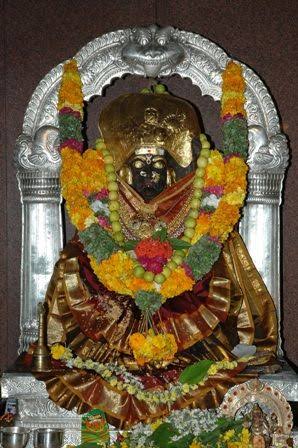
Jogulamba Temple – Key Facts
- Temple Name: Jogulamba Temple
- Location: Alampur, Jogulamba Gadwal District, Telangana
- Presiding Deity: Goddess Jogulamba
- Deity Form: Fierce form of Goddess Shakti
- Shakti Peetha: Traditionally associated with the upper jaw and teeth of Goddess Sati
- Historical Period: 7th century CE
- Dynasty: Badami Chalukyas
- Nearby River: Tungabhadra River
- Famous Title: Dakshina Kashi
- Nearby Attractions: Navabrahma Temples and Bala Brahmeswara Temple
History of Jogulamba Temple
The history of Jogulamba Temple, Alampur, dates back to the 7th century CE, when the region flourished under the rule of the Badami Chalukyas. Alampur developed into an important religious and architectural center, with several temples dedicated to Lord Shiva and Goddess Shakti.
The sacred town is particularly famous for the Navabrahma Temples, a group of nine historic Shiva temples that showcase the architectural achievements of the early Chalukyan period.
The original Jogulamba shrine was reportedly destroyed during invasions in the 14th century. During the difficult period that followed, the sacred idols associated with the temple were protected at the nearby Bala Brahmeswara Temple.
The Jogulamba shrine was subsequently reconstructed, and the deity was ceremonially reinstalled in 2005, restoring the temple’s importance as a major Shakti pilgrimage center.
Jogulamba Temple as a Maha Shakti Peetha
Jogulamba Temple holds a special position in Hindu religious tradition because it is traditionally identified as one of the 18 Maha Shakti Peethas.
According to the legend of Sati, parts of Goddess Sati’s body are believed to have fallen at different locations across the Indian subcontinent after the destruction of Daksha’s sacrifice. These sacred places became known as Shakti Peethas.
At Alampur, tradition associates the upper jaw and teeth of Goddess Sati with the sacred site. This belief makes Jogulamba Temple an important destination for devotees following Shakta traditions.
Goddess Jogulamba – The Fierce Mother
Goddess Jogulamba is considered a powerful and fierce manifestation of Goddess Shakti. The name Jogulamba is associated with the expression “Joginula Amma,” meaning “Mother of Yoginis.”
The traditional iconography of Goddess Jogulamba is distinctive and powerful. She is depicted seated on a corpse, with symbolic representations such as lizards, scorpions, bats, and skulls associated with her form.
These elements represent transformation, protection, the destruction of negativity, and the powerful nature of the Divine Mother.
Devotees also worship Jogulamba as Gruha Chandi, seeking her blessings for protection, peace, and the removal of negative influences from their homes.
Architecture of Jogulamba Temple
The present Jogulamba Temple reflects the architectural traditions associated with the ancient Chalukyan period while incorporating features of later temple construction.
The temple showcases a blend of Dravidian and Nagara architectural elements, with intricately carved stonework and sculptural details. The sanctum and temple structures reflect the artistic traditions that made Alampur an important center of early medieval South Indian architecture.
The temple’s sculpted gopuram and stone carvings add to its visual appeal, while the surrounding sacred landscape creates a peaceful atmosphere for pilgrims and visitors.
Navabrahma Temples at Alampur
A visit to Jogulamba Temple is incomplete without exploring the historic Navabrahma Temples of Alampur.
The Navabrahma complex consists of nine ancient Shiva temples constructed during the Chalukyan period. Important temples within the group include:
- Bala Brahma Temple
- Swarga Brahma Temple
- Padma Brahma Temple
- Garuda Brahma Temple
- Kumara Brahma Temple
- Arka Brahma Temple
- Vishwa Brahma Temple
- Taraka Brahma Temple
- Veera Brahma Temple
These temples are renowned for their intricate stone carvings and provide an excellent glimpse into the architectural heritage of early medieval Telangana.
Mythology and Religious Significance
The religious importance of Jogulamba Temple is deeply connected with the legends of Goddess Sati and Lord Shiva.
According to Hindu mythology, Sati immolated herself after being insulted by her father, King Daksha. Lord Shiva carried her body in grief, and Lord Vishnu used his Sudarshana Chakra to divide the body. The places where parts of Sati’s body are believed to have fallen became sacred Shakti Peethas.
Alampur is traditionally regarded as one of these sacred locations. The presence of Jogulamba alongside the ancient Shiva temples of Alampur represents the close spiritual connection between Shaktism and Shaivism.
Festivals at Jogulamba Temple
Jogulamba Temple attracts large numbers of devotees during important Hindu festivals and special occasions.
Maha Shivaratri
Maha Shivaratri is one of the most important festivals celebrated in Alampur. Devotees visit Jogulamba Temple and the nearby Bala Brahmeswara Temple to offer prayers and participate in special rituals.
Navaratri
Navaratri is especially significant at a Shakti temple such as Jogulamba. Devotees worship the Goddess through special pujas, decorations, and religious ceremonies during the nine-day festival.
Jogulamba Brahmotsavam
The annual Jogulamba Brahmotsavam is another important celebration that brings devotees together for special worship and temple festivities.
Daily Rituals and Worship
Various traditional rituals are performed at Jogulamba Temple as part of daily worship. Important forms of worship include:
- Abhishekam
- Kumkuma Archana
- Special Pujas
- Chandi Homa
- Alankaram
- Festival-related rituals
Devotees visit the temple to seek the blessings of Goddess Jogulamba for protection, prosperity, peace, and spiritual well-being.
Location and Natural Setting
Jogulamba Temple is located at Alampur in Jogulamba Gadwal district of Telangana. The temple stands close to the Tungabhadra River, near its confluence with the Krishna River.
The surrounding landscape, with the river, historic temples, and distant Nallamala Hills, adds to the spiritual and scenic character of Alampur.
The combination of ancient temples and the natural setting makes Alampur an interesting destination for pilgrims, history enthusiasts, photographers, and travelers exploring Telangana’s heritage.
How to Reach Jogulamba Temple
By Road
Alampur is well connected by road to major towns and cities in Telangana and neighboring Andhra Pradesh. The temple can be reached conveniently through the NH 44 corridor.
By Train
The nearest railway connections include Alampur Road Railway Station, while Kurnool is also an important nearby railway and transport hub.
From Hyderabad
Jogulamba Temple is approximately 220 km from Hyderabad, making it suitable for a weekend pilgrimage or heritage trip from the city.
From Kurnool
Alampur is located approximately 27 km from Kurnool, making it easily accessible for visitors traveling from Kurnool and surrounding areas.
Best Time to Visit Jogulamba Temple
The months between October and March are generally considered comfortable for visiting Alampur because of the relatively pleasant weather.
Devotees may also prefer visiting during Navaratri and Maha Shivaratri to experience the temple’s major religious celebrations. However, festival periods can be considerably more crowded.
Jogulamba Temple Timings
The temple generally follows split visiting hours:
Morning: 7:00 AM – 1:00 PM
Evening: 2:00 PM – 8:30 PM
Temple timings can change during festivals, special occasions, or administrative requirements. Visitors are advised to confirm the latest timings before planning their journey.
Places to Visit Near Jogulamba Temple
Visitors to Alampur can explore several important historical and religious attractions nearby, including:
- Navabrahma Temples
- Bala Brahmeswara Temple
- Alampur heritage sites
- Tungabhadra River
- Krishna–Tungabhadra confluence
- Nallamala Hills region
Exploring these attractions allows visitors to experience both the spiritual and historical heritage of Alampur.
Why Visit Jogulamba Temple?
Jogulamba Temple is more than just an ancient shrine. It brings together Shakti worship, Chalukyan architecture, mythology, history, and the natural beauty of the Tungabhadra region.
For devotees, the temple is a powerful Shakti Peetha. For history lovers, the surrounding Chalukyan temples offer remarkable architectural heritage. For travelers, Alampur provides an opportunity to explore one of Telangana’s most fascinating sacred towns.
Conclusion
The Jogulamba Temple in Alampur stands as one of Telangana’s most significant spiritual and historical landmarks. Revered as a Maha Shakti Peetha, the temple is deeply connected with the mythology of Goddess Sati and the traditions of Shaktism.
With its ancient Chalukyan heritage, distinctive deity, nearby Navabrahma Temples, and beautiful Tungabhadra River setting, Jogulamba Temple offers a memorable pilgrimage and heritage experience. A visit to this sacred destination provides an opportunity to discover the rich spiritual and architectural history of Alampur, Telangana.
Jogulamba Temple, Jogulamba Temple Alampur, Jogulamba Temple Telangana, Alampur Jogulamba Temple, Jogulamba Shakti Peetha, Jogulamba Temple history, Jogulamba Temple timings, Jogulamba Temple festivals, Maha Shakti Peethas in Telangana, Alampur temples, Navabrahma Temples Alampur, Dakshina Kashi Alampur, Temples in Telangana, Shakti Peethas in Telangana.